The Hidden Dangers of Creosote Buildup & How to Prevent Chimney Fires
Every year, over 25,000 chimney fires occur in the United States, with creosote buildup being the leading cause. Understanding creosote and how to prevent its accumulation could save your home—and your life.
What Is Creosote and Why Is It Dangerous?
Creosote is a dark, tar-like substance that forms when wood smoke condenses on the inner walls of your chimney. As smoke rises and cools, the byproducts of combustion—including carbon, oils, and other chemicals—adhere to the flue lining. Over time, these deposits accumulate and become increasingly hazardous.
Critical Warning
Creosote is highly flammable. When it ignites, temperatures can exceed 2,000°F—hot enough to crack your chimney liner, spread fire to your roof, and engulf your home in minutes.
The Three Stages of Creosote Buildup
Stage 1: Flaky Soot
In its earliest form, creosote appears as a light, flaky soot that's relatively easy to remove with standard chimney brushes. At this stage, a professional chimney sweep can clean your chimney quickly and affordably.
✓ Easy to remove | ✓ Low fire risk | ✓ Standard cleaning needed
Stage 2: Tar-like Deposits
When fires burn at lower temperatures or with insufficient airflow, creosote becomes thicker and stickier, resembling black tar. This stage is more difficult to remove and requires specialized tools and techniques.
⚠ Requires mechanical removal | ⚠ Moderate fire risk | ⚠ Professional treatment needed
Stage 3: Glazed Creosote
The most dangerous form, glazed creosote is a hard, shiny coating that's extremely difficult to remove. It's highly concentrated fuel that can ignite with just a spark. Chemical treatments or professional intervention is absolutely required.
✗ Extremely dangerous | ✗ High fire risk | ✗ Chemical treatment required
Warning Signs of Creosote Buildup
- Strong smoky or burnt odor when fireplace is not in use
- Black, shiny residue visible inside the firebox
- Reduced draft or smoke entering the room
- Soot falling into the fireplace
- Black stains on the damper or smoke shelf
- Difficulty starting or maintaining fires
How to Prevent Creosote Buildup
Burn Properly Seasoned Wood
Wood should be dried for at least 6-12 months. Moisture content under 20% produces less smoke and creosote.
Maintain Hot, Efficient Fires
Smoldering fires produce more creosote. Keep fires burning brightly with adequate airflow.
Ensure Proper Ventilation
Open the damper fully before starting a fire. Good draft helps smoke exit quickly before condensing.
Schedule Annual Cleanings
NFPA 211 recommends annual inspections and cleaning. Don't wait until you see problems.
Professional Creosote Removal in Charlotte
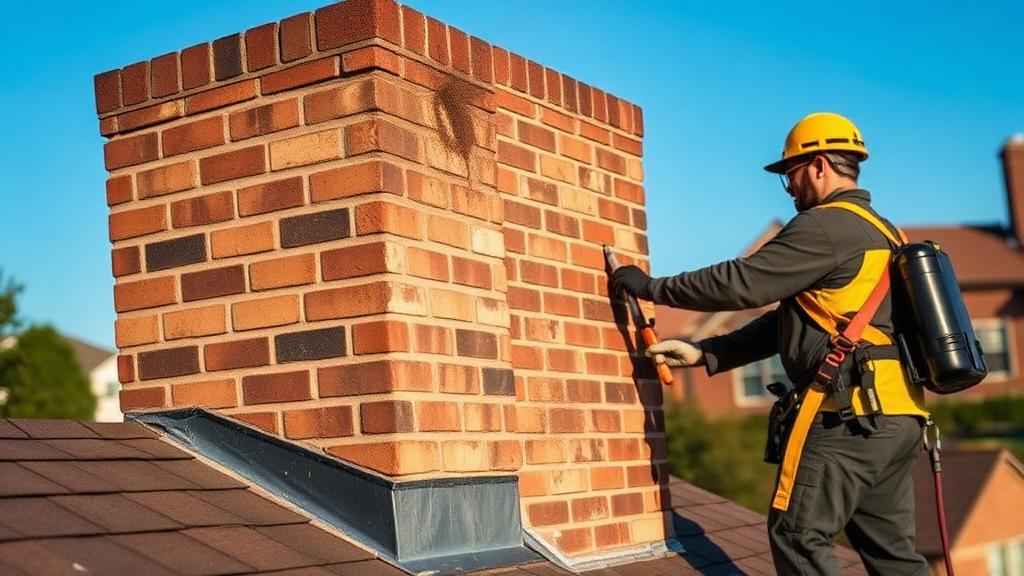
At Chimney Solutions Pro, we use commercial-grade equipment and proven techniques to safely remove all stages of creosote. Our technicians are CSIA-certified and trained to identify potential hazards before they become emergencies.
Concerned About Creosote in Your Chimney?
Don't risk a chimney fire. Schedule a professional inspection and cleaning today.